A.01 · Powertrain
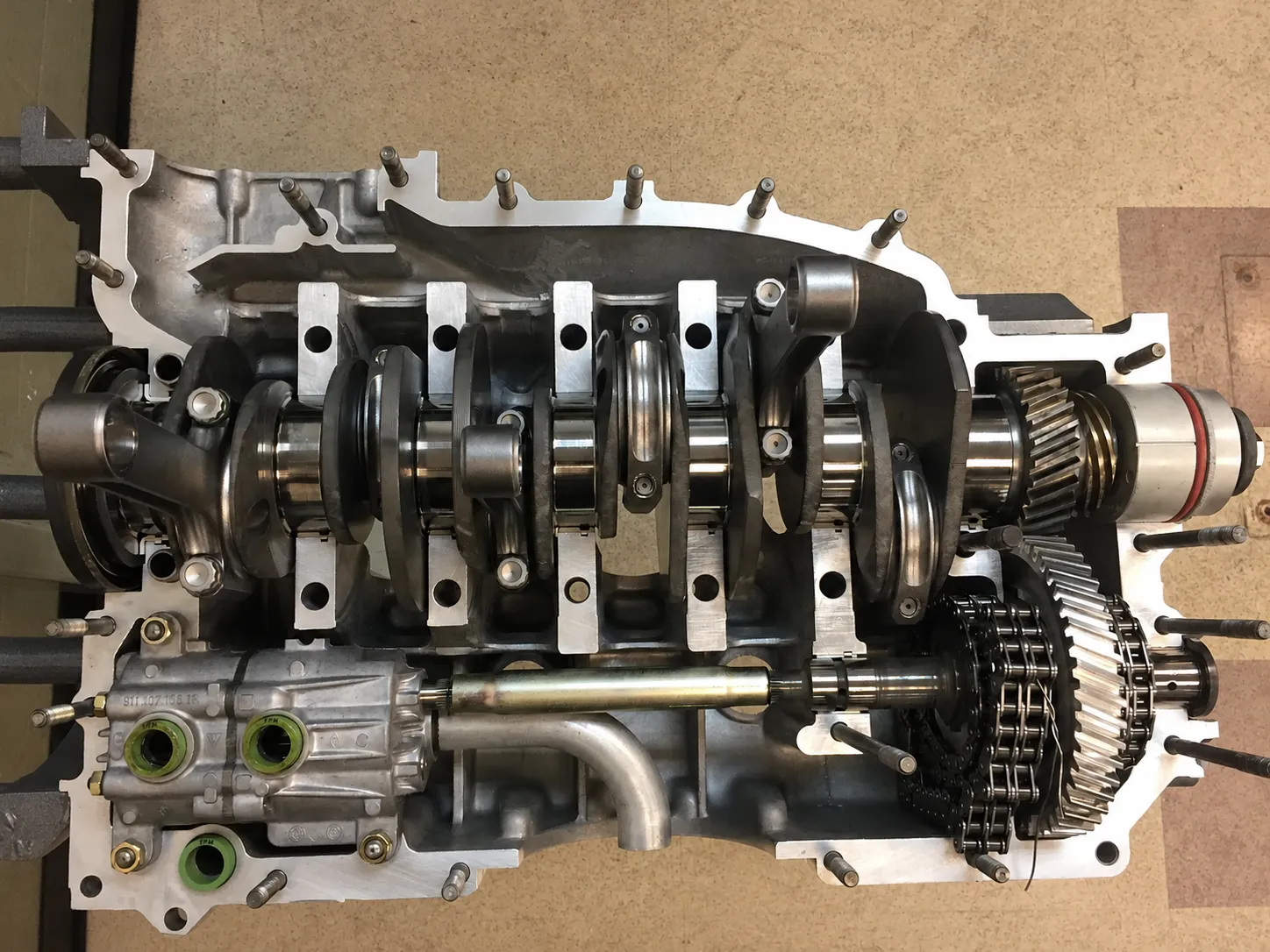
Powertrain schematic
Engine & Powertrain Systems
From pistons and rocker arms to complete valvetrain systems and the spin rigs built to test them. Modeling lift profiles, commissioning dynos, calibrating engine-control systems.
We specialize in systems that operate where failure is expensive, visible, or irreversible. High forces. High temperatures. Tight constraints. No room for guesswork.
You bring the vision. We bring the balance to make it real.
Propulsion, thrusters, space-rated enclosures.
Fusion optics, high-temperature hardware.
Engines, valvetrains, test rigs.
Diagnostics, spectrometers, custom rigs.
From pistons and rocker arms to complete valvetrain systems and the spin rigs built to test them. Modeling lift profiles, commissioning dynos, calibrating engine-control systems.
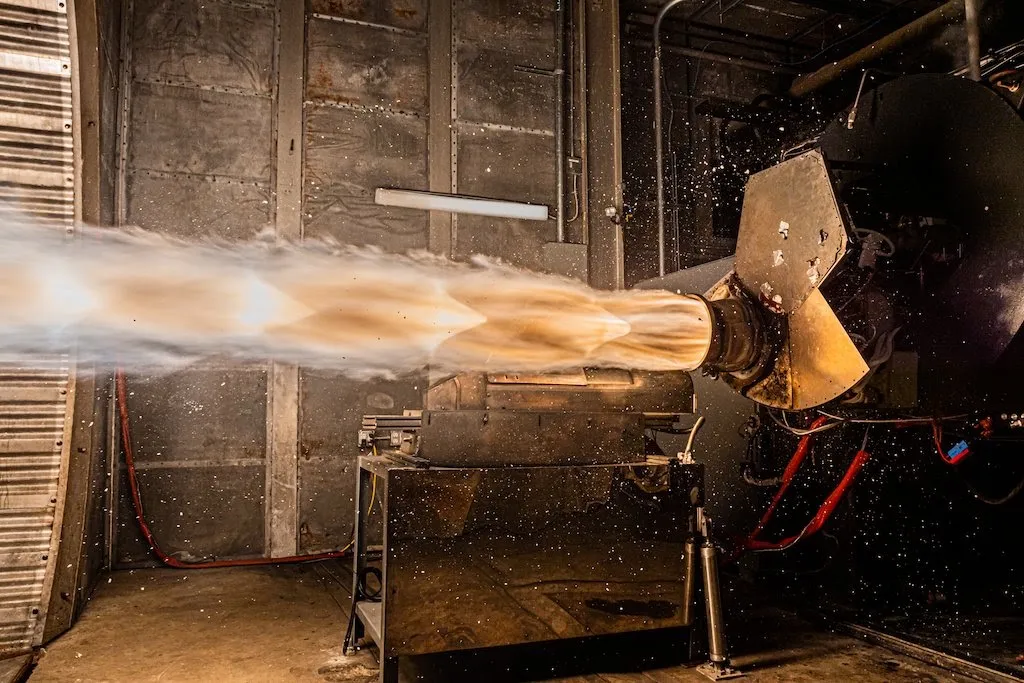
Propulsion systems and hardware for environments where failure isn’t recoverable. Rocket engines, thruster assemblies, space-rated enclosures, propulsion modules.
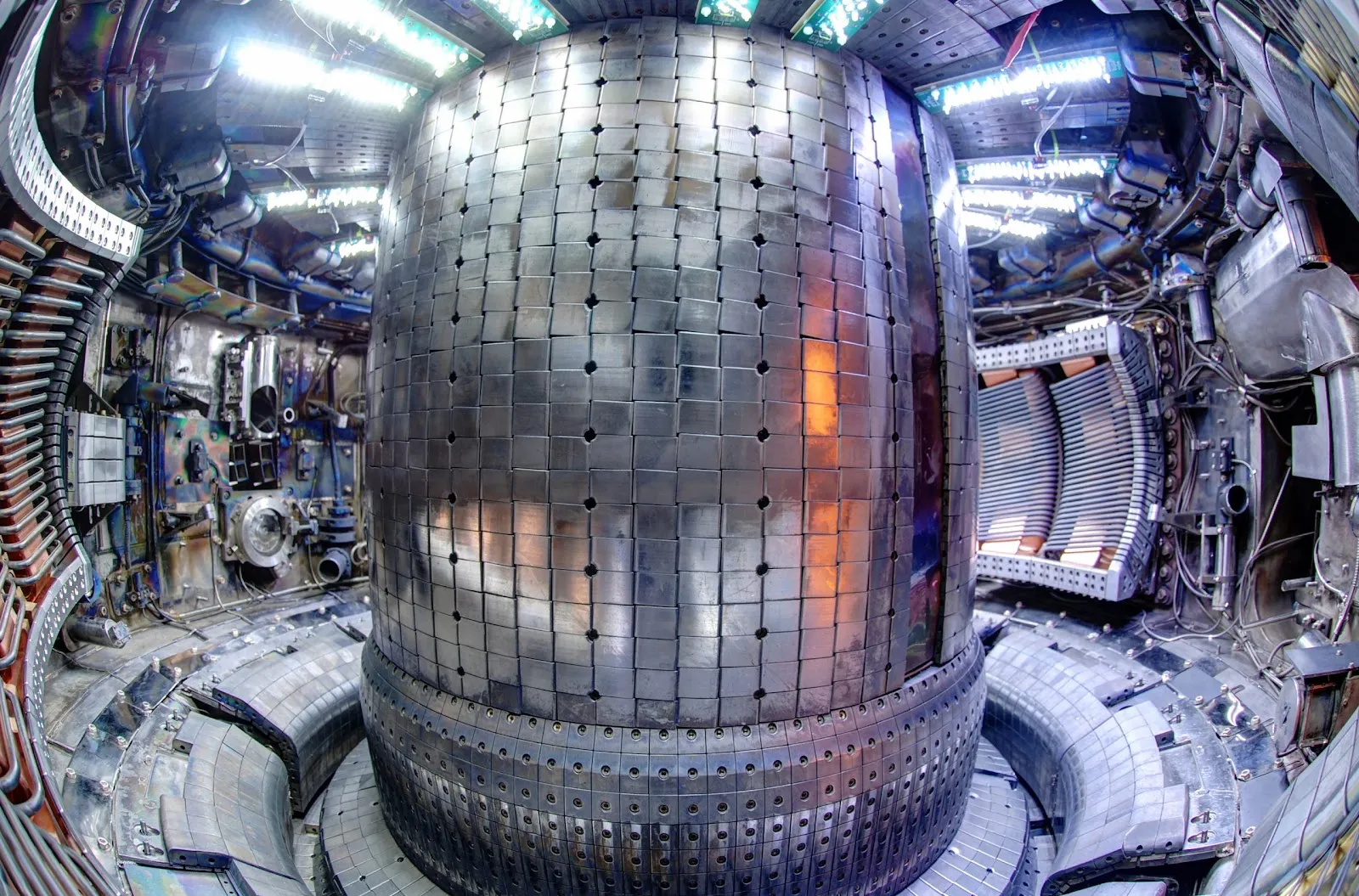
Hardware for environments defined by heat, vacuum, and radiation. Silicon-carbide mirrors and spectrometer enclosures that hold up inside high-energy systems.
Most projects don’t fail for lack of intelligence or effort. They fail because too many things are treated as equally important.
Our work begins by helping teams identify what matters most, and what can safely recede into the background. That clarity is what allows complex systems to move forward without unnecessary risk or noise.
Read our method →A selection of work shaped by real constraints. Different systems, different environments — the same intent.
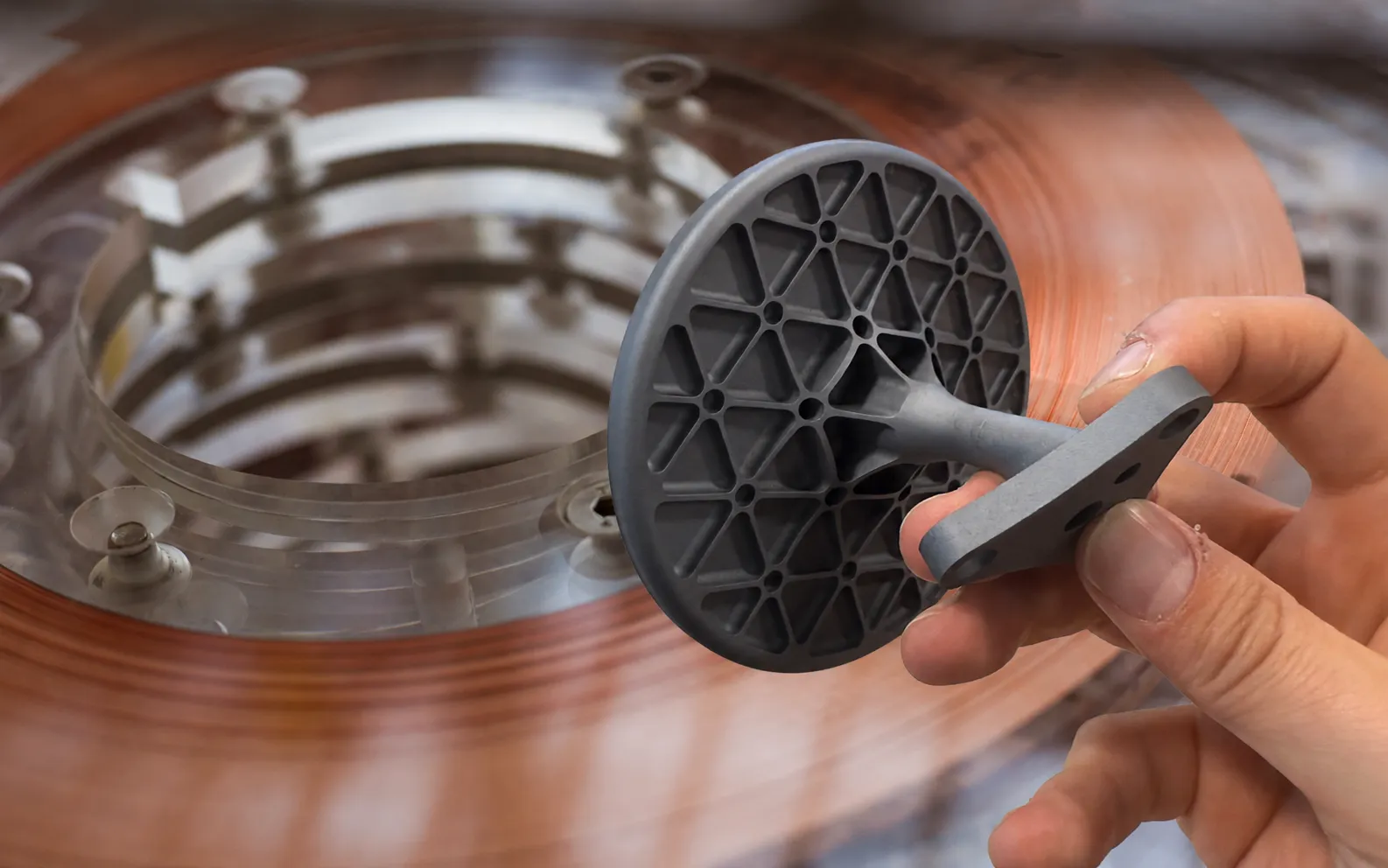
Replaced an over-complicated metal assembly with a pure silicon-carbide design that resists heat and ignores electromagnetic fields.
Read the case →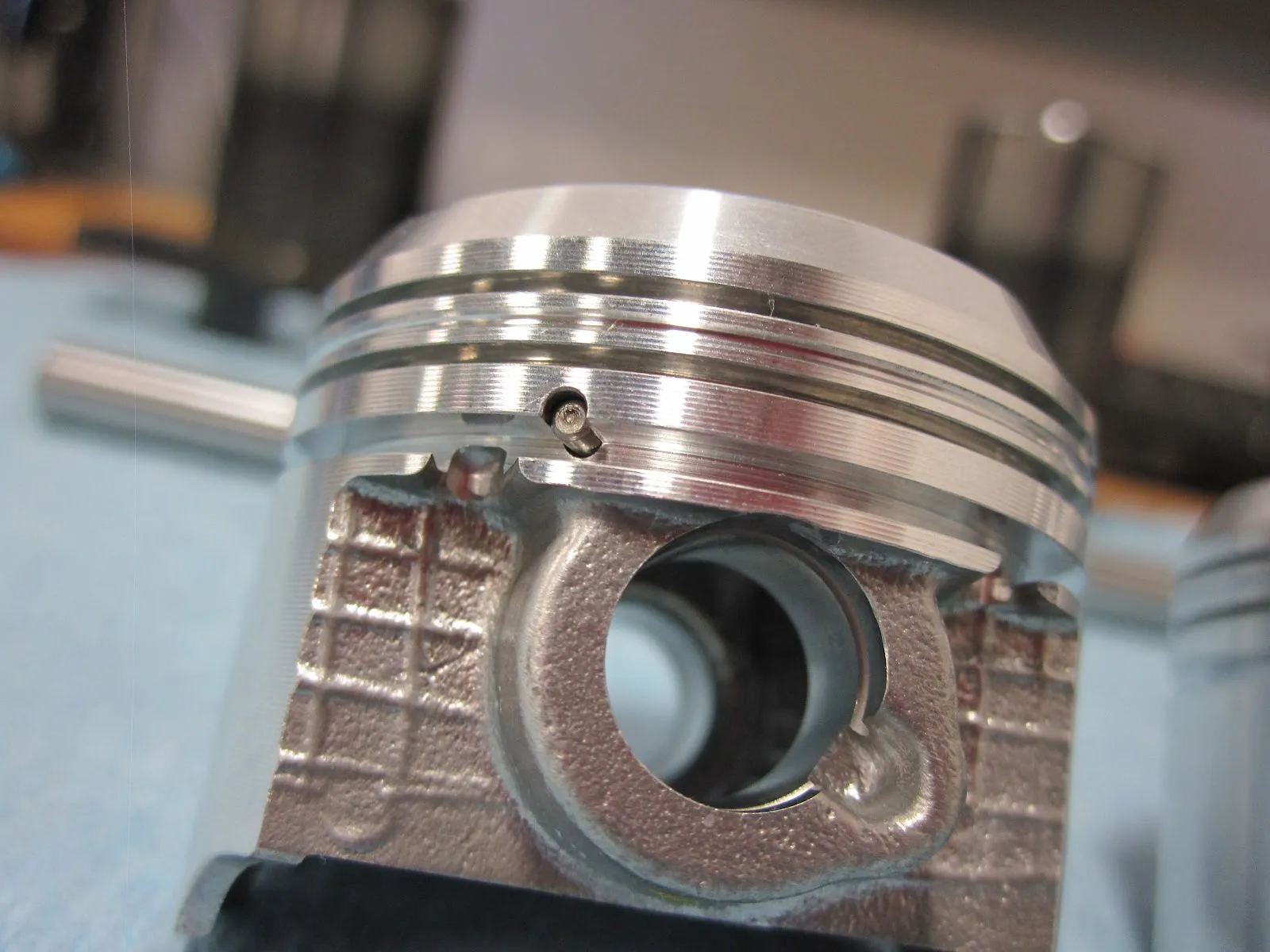
Pinnacle Engines. The chamfer was on every piston anyone had ever seen. It didn’t belong on ours.
Read the case →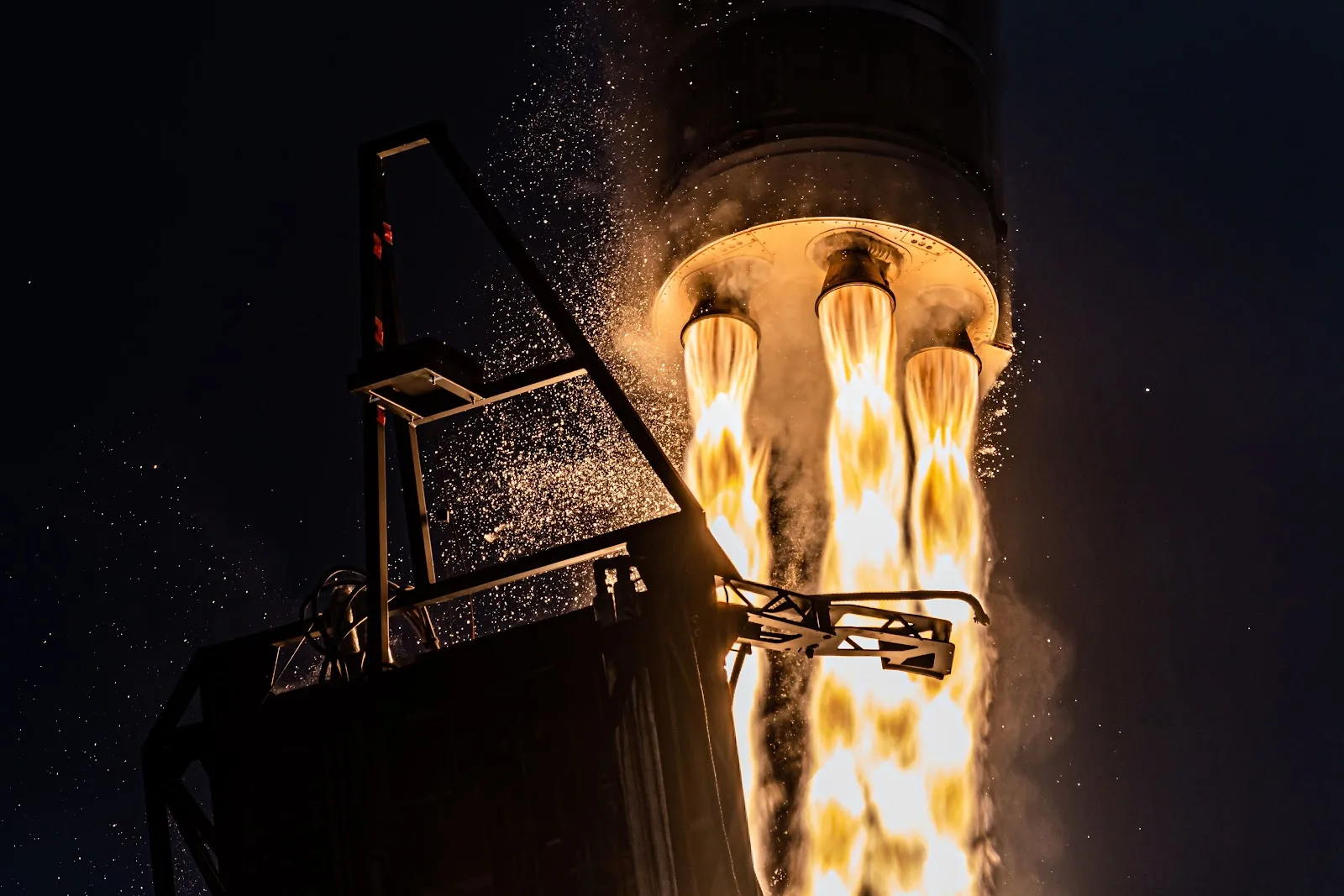
Astra. Ten engine configurations, a 110° TVCA layout, and a lighter machine designed around the rocket — not around itself.
Read the case →